The Origins of Statler and Waldorf: Jim Henson's Iconic Hecklers
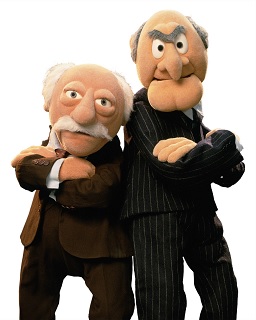
In the vibrant, chaotic world of Jim Henson's Muppets, where pigs sing opera and frogs host talk shows, a peculiar pair sits perched above it all, casting judgment and delivering stinging one-liners. These are, of course, the legendary muppets Waldorf and Statler, two elderly curmudgeons whose sharp wit and relentless heckling have cemented their status as some of the most beloved and instantly recognizable characters in television history. Far from mere background players, Statler and Waldorf are integral to the Muppetverse, offering a unique meta-commentary on the performances unfolding before them and, indeed, on the very nature of entertainment itself.
Their enduring appeal lies in a fascinating paradox: they despise the show, yet they are always there, week after week, in their familiar box seats. This article delves into the origins of these iconic characters, exploring Jim Henson's genius in their creation, their evolution, and the profound impact they’ve had on popular culture.
The Genesis of a Grumpy Duo: Jim Henson's Vision
The creation of Statler and Waldorf can be attributed to the boundless imagination of Jim Henson, the visionary puppeteer who brought the Muppets to life. Henson, known for pushing the boundaries of puppetry and children's entertainment, understood the value of an audience perspective within a performance. While many might assume the Muppets were solely designed for warmth and whimsy, Henson wasn't afraid to introduce characters that mirrored a more cynical, yet equally entertaining, human element.
The duo first graced screens in 1975's The Muppet Show: Sex and Violence, a pilot episode where they were portrayed as older gentlemen reflecting on their golden years. This initial appearance hinted at their comedic potential, but it was their subsequent role in The Muppet Show proper, starting in 1976, that truly defined them. Henson, along with his team of talented puppeteers, including himself, gave them voices, mannerisms, and a distinctive comedic rhythm that quickly made them indispensable.
Their names themselves carry a touch of old-world grandeur and irony, reflecting their persona. Statler and Waldorf are named after two landmark New York City hotels: the Statler Hilton and the Waldorf-Astoria. This naming choice subtly links them to a sense of establishment and a bygone era of theatrical patronage, perfectly fitting for critics who view the stage with seasoned, albeit jaded, eyes.
From Pilot to Phenomenon: The Evolution of Statler and Waldorf
After their initial outing, the muppets Waldorf and Statler quickly found their permanent home in the prestigious box seats of The Muppet Show theatre. From this vantage point, they became the show's unofficial, self-appointed critics, a Greek chorus of grumbles and groans. Their primary target was often Fozzie Bear, whose well-meaning but often stale jokes provided ample fodder for their biting commentary. They rarely missed an opportunity to deflate Fozzie's confidence, but in a humorous twist, they almost always found their own jokes uproariously funny, dissolving into fits of cackling laughter.
What makes their heckling unique is its consistent nature. Unlike a transient audience member, Statler and Waldorf are a fixed part of the fabric of the show. This consistency allowed their personalities to deepen and their relationship to evolve. Despite their constant complaints about the quality of the acts, they always returned the following week. This perplexing loyalty became a running gag and even found its way into one version of The Muppet Show theme song:
- Waldorf: "Why do we always come here?"
- Statler: "I guess we'll never know!"
This self-aware humor is a cornerstone of their appeal. It's later revealed in the heartwarming special A Muppet Family Christmas that, despite their public disdain for Fozzie's comedy, they are actually friends with his mother, Emily Bear. This charming detail adds a layer of unexpected warmth and complexity to their characters, suggesting their curmudgeonly exterior might just be part of their performance.
Masters of Meta-Humor: Heckling, Fourth Walls, and Enduring Appeal
One of the most fascinating aspects of Statler and Waldorf is their profound impact on the comedic structure of The Muppet Show and beyond. They are not merely hecklers; they are commentators who frequently break the fourth wall, blurring the lines between performer and audience. Author Ben Underwood aptly points out how these characters inherently "blur the boundary between performer and audience," existing concurrently as both. This meta-commentary adds layers of humor, allowing the show to playfully acknowledge its own artifice.
A classic example of this meta-humor occurs in a second-season incident where Statler and Waldorf witness themselves watching the Muppets. Statler, ever the skeptic, remarks, "No one would watch junk like that." This self-referential joke is not just funny; it’s a brilliant piece of writing that showcases Henson’s sophisticated approach to comedy. It encourages the audience at home to reflect on their own viewing habits and the inherent absurdity of watching a show where characters watch a show within a show.
Their humor is often understated, relying on quick, perfectly timed interjections that underscore the absurdity of the main act. They act as a stand-in for the cynical viewer, giving voice to thoughts many in the audience might secretly harbor. This relatability, combined with their distinctive cackles and the obvious enjoyment they derive from their own jokes, makes them incredibly endearing despite their negativity. It's a reminder that sometimes, the most critical observers are also the most dedicated fans.
The Lingering Question: Why Do They Always Return?
Perhaps the most profound mystery surrounding the muppets Waldorf and Statler is the simple, yet elusive, question: why do they always return to the show they so vehemently criticize? This enigma is not just a throwaway gag; it's a central pillar of their characterization and a source of endless fascination for fans.
Their own admission that they "guess they'll never know" highlights a universal human tendency. Sometimes, we're drawn to things we claim to dislike, whether it's a particular genre of music, a controversial film, or even a repetitive work routine. For Statler and Waldorf, The Muppet Show, despite its perceived flaws, is an undeniable part of their lives. It provides them with a routine, a purpose (to heckle!), and perhaps, a form of entertainment that they secretly enjoy, even if they'd never admit it publicly.
The question of their return offers a comedic insight into human behavior: the need for ritual, the comfort in familiarity, and the hidden pleasure derived from even negative interactions. It's an exploration of the idea that criticism can be a form of engagement, and that sometimes, the most vocal detractors are, in their own way, the biggest fans. To dive deeper into this fascinating question, you might enjoy reading Why Do Statler and Waldorf Always Return To The Muppet Show?.
The Lasting Legacy of Statler and Waldorf
Over the decades, Statler and Waldorf have transcended their roles as mere hecklers. They have become cultural icons, symbolizing witty cynicism and the joy of finding humor in life's imperfections. Their popularity extends far beyond The Muppet Show, with appearances in numerous Muppet films, specials, and even guest spots on other television programs. Their unique dynamic and sharp delivery ensure they remain relevant and hilarious to new generations of viewers.
Their legacy is a testament to Jim Henson's masterful character development. He created two characters who, despite their perpetually grumpy demeanor, are undeniably charming and essential. They provide a grounding force, a voice of reason (albeit a negative one) in a world filled with talking animals and outlandish acts. Their consistent presence and unwavering commitment to their roles as critics have made them an enduring symbol of meta-humor and the unique theatrical experience that only the Muppets can provide.
Conclusion
The origins of Statler and Waldorf are rooted in Jim Henson's brilliant understanding of comedic structure and human nature. From their initial appearance to their cemented status in the box seats of The Muppet Show, these two elderly gentlemen have offered audiences more than just laughs. They've provided a running commentary on performance, a masterclass in meta-humor, and an endearing mystery about why they keep coming back for more. The muppets Waldorf and Statler are not just hecklers; they are philosophers of entertainment, reminding us that even the harshest critics can secretly harbor a deep affection for the spectacle they so gleefully tear apart. Their legacy continues, proving that a well-placed insult, delivered with perfect timing and a knowing cackle, can be just as memorable as the star performance itself.