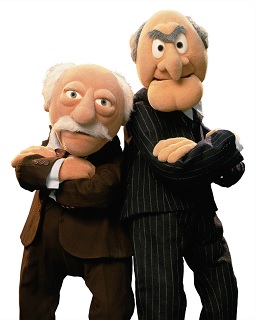
Statler and Waldorf: Muppet Icons Blurring Audience and Performer
In the vibrant, chaotic world of *The Muppet Show*, a pair of figures stand out not for their singing, dancing, or slapstick, but for their unwavering negativity and biting wit. Perched high in their theater box, the elderly hecklers Statler and Waldorf have become synonymous with cynical commentary, a beloved comedic fixture whose unique dynamic transcends mere character acting. These iconic Muppets, Waldorf and Statler, don't just observe the show; they are an integral, meta-commentary on the performance itself, blurring the very lines between audience and performer in a way few characters ever have.
Their influence extends far beyond *The Muppet Show* stage, cementing their place as cultural touchstones who provide a humorous voice to the inner critic we all possess. Through their relentless critiques and self-referential humor, Statler and Waldorf offer a masterclass in comedic timing, meta-narrative, and the enduring appeal of a good grumble.
The Genesis of Grousing: Origins and Evolution
The journey of Statler and Waldorf began in 1975, predating the full launch of *The Muppet Show* with their debut in *The Muppet Show: Sex and Violence*. In this initial appearance, they were portrayed as reflective older gentlemen contemplating their twilight years, a somewhat softer introduction than the characters they would soon become. However, it was in 1976, with the premiere of *The Muppet Show*, that Statler and Waldorf truly found their calling, establishing their permanent residence in the theater box seats and their now-famous role as the show's resident curmudgeonly critics.
Created by the visionary Jim Henson, the characters were meticulously crafted to serve as an ongoing comedic foil. Their names themselves carry a touch of classic sophistication and humor: Statler from the Statler Hilton, and Waldorf from the illustrious Waldorf-Astoria – both landmark New York City hotels. This nomenclature not only lends them an air of old-school grandeur but also subtly hints at their self-appointed position as connoisseurs (albeit perpetually dissatisfied ones) of entertainment. Over the decades, numerous talented puppeteers, including Henson himself, have brought these sardonic characters to life across a wide array of Muppet films and television productions, ensuring their distinctive voices and personalities remain consistent and captivating. For more on their inception, explore
The Origins of Statler and Waldorf: Jim Henson's Iconic Hecklers.
Beyond the Box Seats: The Art of Muppet Heckling
What defines Statler and Waldorf is their unwavering commitment to negativity, delivered with a comedic punch. From their privileged vantage point, they offer a running commentary that dissects, disparages, and often outright demolishes the acts unfolding below. Their favorite target, by far, is the hapless stand-up comedian Fozzie Bear, whose puns and routines are consistently met with groans, sarcastic applause, and brutal takedowns. The irony, of course, is that the two find their own comments hilariously funny, often bursting into uproarious laughter at their own sharp-tongued remarks. This self-amusement is a key element of their charm, making their criticism feel less genuinely malicious and more like a theatrical performance in itself.
Despite their constant complaining and declarations that the show is "terrible," the central enigma surrounding Statler and Waldorf is their consistent return. Week after week, they occupy their usual box seats, ready with fresh barbs. As one version of *The Muppet Show* theme song famously poses:
- Waldorf: "Why do we always come here?"
- Statler: "I guess we'll never know."
This self-aware mystery only adds to their allure, making them relatable to any audience member who might begrudgingly return to a familiar, flawed form of entertainment. It speaks to a deeper truth about habit, community, and perhaps, the underlying enjoyment they derive from their role as professional critics. A fascinating revelation in *A Muppet Family Christmas* further complicates their relationship with the cast, revealing that these relentless critics are, in fact, friends with Fozzie Bear's mother, Emily Bear. This detail adds layers to their character, suggesting their relentless teasing of Fozzie might be a warped form of affection, or at least a long-standing tradition among friends. The mystery of their perpetual return is a compelling aspect of their characters; dive deeper into this phenomenon by reading
Why Do Statler and Waldorf Always Return to The Muppet Show?.
Breaking the Fourth Wall and Blurring Boundaries
Perhaps the most profound aspect of Statler and Waldorf's existence, and central to their enduring appeal, is their consistent ability to break the fourth wall. They don't just comment on the show happening *within* the Muppet universe; they frequently acknowledge their own existence as characters in a television program, directly addressing the viewing audience or the very nature of their fictional reality.
As author Ben Underwood aptly observed, Statler and Waldorf "blur the boundary between performer and audience," existing "concurrently as audience members and performers." This meta-commentary elevates them beyond simple hecklers. They are the show's built-in critics, providing an external perspective that often mirrors the thoughts of the viewers at home. A memorable example from the second season of *The Muppet Show* perfectly illustrates this. The pair watch themselves watching the Muppets on a television monitor, with Statler sarcastically remarking, "No one would watch junk like that." This self-referential humor not only elicits laughter but also invites the actual audience to engage with the show on a more intellectual, self-aware level.
By constantly stepping outside the immediate narrative, Statler and Waldorf invite viewers into a shared joke about the artifice of television itself. They represent the voice of skepticism, the internal monologue that questions the absurdity or quality of what's being presented. This unique position allows them to act as a bridge between the fantastical world of the Muppets and the reality of the television viewer, making the experience more interactive and less passive. They validate the audience's potential doubts or criticisms, making everyone feel like part of the show's witty, self-deprecating charm.
The Enduring Legacy of Statler and Waldorf
The enduring popularity of Statler and Waldorf speaks volumes about their timeless appeal. They tap into a universal experience: the joy of shared criticism, the comfort of cynicism, and the humor found in life's absurdities. These Muppets, Waldorf and Statler, have appeared in virtually every major Muppet production since their debut, consistently delivering their signature blend of curmudgeonly charm.
Their legacy is a testament to Jim Henson's genius in creating characters that are not only funny but also possess unexpected depth. They are more than just hecklers; they are the conscience of *The Muppet Show*, the voice of the jaded but ultimately loyal fan, and a brilliant deconstruction of the audience-performer dynamic. Their continued presence reminds us that even in the most joyous and fantastical performances, there's always room for a well-placed, sarcastic remark – and that sometimes, the most critical observers are also the most devoted. They prove that even negativity, when delivered with wit and consistency, can be utterly endearing and utterly iconic.
In conclusion, Statler and Waldorf are far more than mere Muppet characters who sit in a balcony box. They are a brilliant meta-commentary on the nature of performance and audience engagement, a masterclass in comedic timing, and beloved icons whose blend of sharp wit, consistent negativity, and underlying affection has endeared them to generations. Their unique ability to blur the lines between observer and participant has cemented their status not just as hecklers, but as essential, unforgettable contributors to the Muppet legacy.